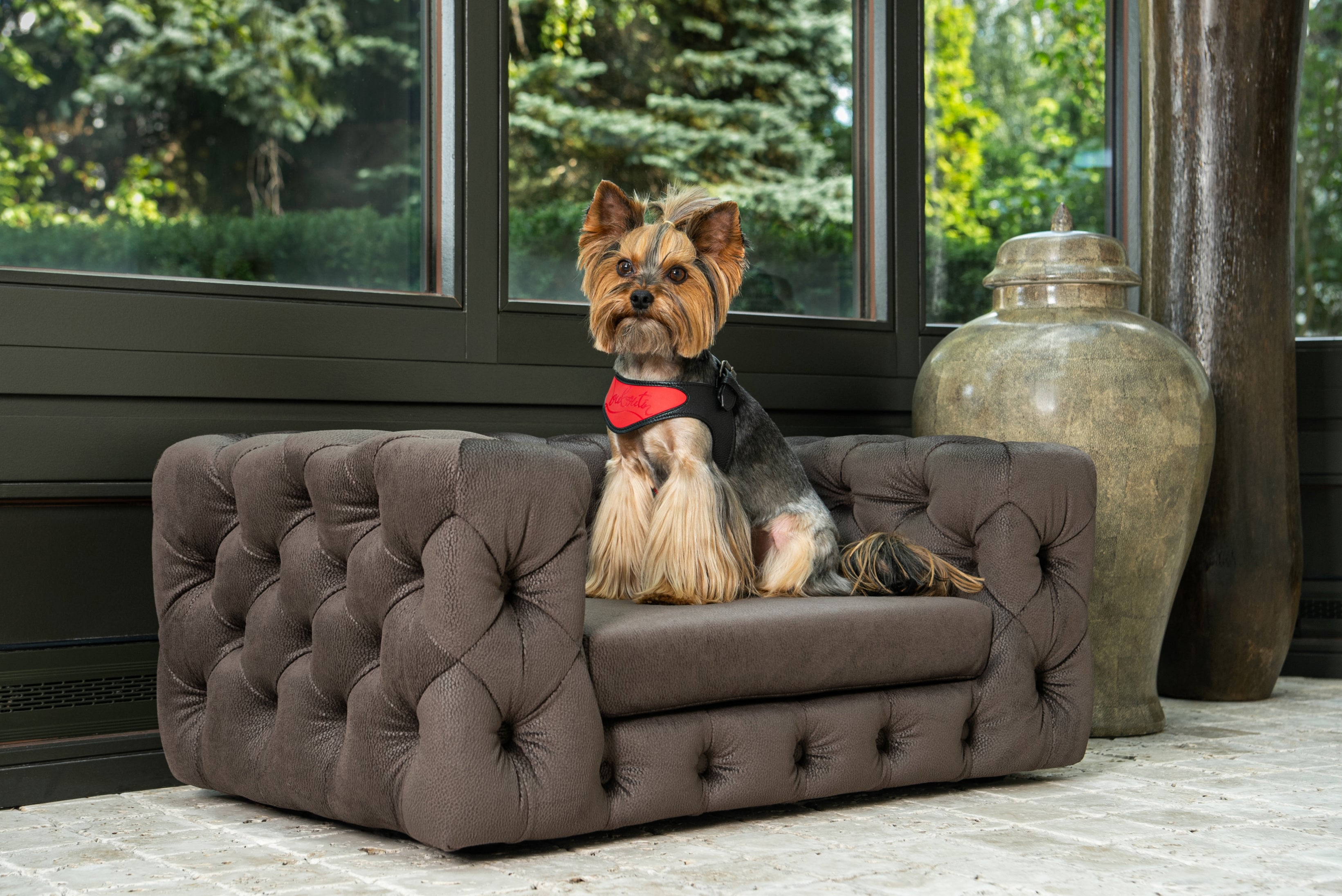

Some dogs curl into the softest corner of the sofa. Others immediately claim a pile of blankets, a cushion, or the most padded place in the room.
Given the choice between a hard floor and something soft, many dogs clearly prefer the more comfortable option. But why?
The answer goes beyond simple indulgence. A soft resting place can affect physical comfort, warmth, relaxation, and the way a dog settles into its environment.
Why Do Dogs Prefer Soft Places to Sleep?
For most dogs, resting is not just about stopping activity. It is about finding a place where the body can fully relax.
Research into canine resting preferences suggests that the type of sleeping surface available can influence how dogs choose to settle and rest. Softer, more supportive surfaces may simply feel more inviting and comfortable than harder alternatives. Research on dogs and resting surfaces
Soft materials distribute the body differently than a hard floor and create a surface a dog can sink into slightly.
That simple difference may help explain why a perfectly clean floor can remain completely ignored while a dog squeezes itself onto the smallest available cushion.
Soft Surfaces Can Feel More Comfortable on the Body
When a dog lies down, parts of the body such as the hips, shoulders, elbows, and chest are in contact with the surface underneath.
A padded resting place provides cushioning between the body and the floor.
This can be especially relevant for dogs that spend long periods resting, as a softer surface may offer greater comfort and reduce pressure on certain parts of the body. Research into canine welfare also highlights the importance of providing suitable and comfortable resting areas. Research on canine welfare and resting environments
It does not mean every dog needs an extremely thick bed. Preferences can differ considerably depending on size, age, coat, temperature, and simply personality.
Some dogs want to sink into softness. Others prefer more structure underneath them.
Warmth Is Part of the Appeal
Soft textiles also interact with temperature differently from stone, tile, or wood.
A cold floor pulls heat away from the body much more noticeably, while fabric, padding, and faux fur can create a warmer microenvironment around a resting dog.
That is one reason sleeping preferences may change with the seasons.
A dog that stretches happily across a cool floor during summer may suddenly begin seeking blankets, upholstered furniture, and warmer corners when temperatures drop.
Small dogs can be particularly enthusiastic about burrowing into soft materials, where their bodies are surrounded rather than simply supported from underneath.
Why Dogs Love to Curl Up
There is also something appealing about a resting place that creates a sense of enclosure.
Many dogs naturally curl their bodies when resting. A bed with raised or curved sides gives them something to lean against and can create a more defined sleeping space.
Watch a dog settling down and you may see the familiar ritual: turning around, repositioning, pushing a cushion with the nose, perhaps scratching lightly at the surface, and finally curling into exactly the right position.
The bed becomes something the dog can adapt to its own body.
This is one of the reasons very flat sleeping surfaces and enveloping beds can produce completely different resting experiences.
Comfort Is Also About Familiarity
A favourite bed quickly collects familiar scents.
To us, a freshly washed blanket may simply smell clean. To a dog, scent is an important part of how an environment is recognised.
Their resting area becomes associated with sleep, quiet moments, their home, and the people around them.
Over time, a particular sofa or bed can therefore become much more than somewhere soft to lie down. It becomes part of a familiar daily routine.
This may explain why dogs sometimes return to exactly the same sleeping place even when several other comfortable options are available.
Why Does My Dog Choose the Sofa Instead of the Floor?
Sometimes the explanation is remarkably simple: the sofa is softer.
But there can be other reasons too.
Human furniture is usually padded, warm, elevated from cold flooring, and positioned exactly where family life happens. It often combines several things dogs enjoy at once — physical comfort, familiar scent, and proximity to their owners.
This is also why creating a dedicated resting place within the living room can work so well.
The dog does not have to choose between comfort and staying close to the household.
Choosing the Right Kind of Comfort
Not every dog likes the same type of bed.
A dog that loves stretching out may prefer a generous, flatter surface. A dog that constantly curls against cushions may enjoy raised sides. And dogs that actively seek blankets and exceptionally soft materials may be naturally drawn to plush upholstery or faux fur.
The most useful clue is often your own dog.
Notice where they choose to sleep when several surfaces are available and how they position their body once they settle.
Their habits often tell you more about their preferred type of comfort than any general rule ever could.
When Comfort Becomes Part of the Interior
A dog's favourite resting place no longer has to look separate from the rest of the home.
Well-designed luxury dog sofas can provide the softness and structure dogs naturally seek while functioning as part of the interior itself.
An enveloping design such as the Yin Yang Super Soft Pet Sofa suits dogs that enjoy curling into soft, plush surfaces, while more structured designer dog furniture can provide comfort without losing the architectural character of a beautifully designed room.
For many of us, comfort is one of the defining qualities of home.
Perhaps it should not be surprising that dogs look for exactly the same thing.